More of my patients find osteopathy after months of niggling pain than after a single dramatic injury. A stiff neck that keeps coming back, a lower back that locks after the school run, a shoulder that pinged during a serve at Purley Bury Tennis Club, or hips that grumble on the hills around Shirley and Upper Norwood. If you are searching for an osteopath in Croydon, you likely want clarity before you book: what osteopathy can address, what an appointment involves, and how to choose the right clinic. This Q&A gathers the questions I am asked most often at a Croydon osteopath clinic, with practical detail to help you make informed decisions.
What exactly does an osteopath do?
An osteopath assesses, diagnoses, and treats problems with muscles, joints, ligaments, and related nerves. The work sits within primary musculoskeletal care, where the aim is to reduce pain, restore movement, and help you manage or prevent recurrence. Techniques vary with the person in front of us, not just the label on their condition. A session may include hands-on manual therapy such as soft tissue release, joint articulation, or high velocity low amplitude techniques, paired with active rehabilitation like graded mobility drills, strength work, and advice on pacing, ergonomics, or sport-specific return plans.
Think of it as a combination of precise assessment plus targeted manual therapy plus practical coaching for your daily life in Croydon, whether that is a long shift at Croydon University Hospital, a tram commute from Addington, or sprint sessions at Croydon Harriers.
Is osteopathy regulated in the UK?
Yes. UK osteopaths must be registered with the General Osteopathic Council, the GOsC. Registration requires a recognised degree in osteopathy, adherence to professional standards, and ongoing continuing professional development. You can search the GOsC register to confirm your practitioner’s status. If you are considering osteopathy in Croydon, this is the first box to tick.
Which conditions do Croydon osteopaths commonly help with?
In a typical Croydon osteopathy clinic you will see a blend of desk based strains, sports injuries, and age related issues. Conditions that respond well include mechanical low back pain, neck pain linked to posture or tension, sciatica where nerve irritation stems from lumbar or gluteal structures, shoulder problems like rotator cuff irritation or frozen shoulder in certain phases, mid back stiffness with rib joint restriction, headaches of musculoskeletal origin such as cervicogenic headache, knee pain from running or squatting errors, plantar fascia irritation in runners training through Lloyd Park, tennis or golfer’s elbow, and jaw tension related to neck mechanics. Osteopaths also support people during pregnancy with pelvic girdle pain, and those managing osteoarthritis with movement strategies that ease stiffness and improve function.
Good practice means assessing the person rather than the diagnosis alone. A “sciatica” might be a sensitised nerve from a disc bulge, or it might be referred pain from the hip and deep gluteal muscles. The plan differs. A frozen shoulder in the thawing phase needs different input than one in the freezing phase. Nuance matters.
How strong is the evidence for osteopathy?
The evidence behind manual therapy is mixed but useful when applied with judgment. NICE guidance for low back pain supports manual therapy when combined with exercise and education. Cochrane reviews often find small to moderate short term benefits for spinal manipulation and mobilisations in certain contexts, with variability based on the condition and the comparison group. The more consistent wins come from multi modal care that blends hands on work, specific exercise, and behaviour change. That is how I practice, and how many experienced osteopaths in Croydon approach treatment.
Translation to the real world matters. If a patient from West Croydon works ten hour shifts standing on concrete and cannot change that tomorrow, we design a plan that helps their pain now with manual therapy and shows them micro strategies at work, then builds strength over weeks to buffer their back against fatigue. Evidence is clearer when tailored to context.
What happens at the first appointment with a Croydon osteopath?
Expect a thorough conversation about your symptoms, medical history, goals, and lifestyle. A hands on assessment follows, looking at posture, movement patterns, specific joint motion, and provocation tests when appropriate. Osteopaths integrate neurological checks if nerve involvement is suspected, like strength testing, reflexes, and dermatomal sensation.
I explain my working diagnosis in plain English and outline options. Consent is central, so you will know what techniques I plan to use and why. If something is not for you, we use alternatives. Most first appointments include some treatment unless we need further tests or referral.
A typical flow might look like this: an office manager from East Croydon with a two month history of one sided neck pain aggravated by screens has a movement screen, palpation of cervical and thoracic segments, and shoulder girdle assessment. We identify stiff mid back segments, overactive upper traps, and limited deep neck flexor endurance. Treatment focuses on thoracic mobilisation, soft tissue release for the upper traps and scalenes, and gentle cervical joint techniques where tolerated, followed by a starter exercise pair that takes three minutes twice daily. We plan a review in one week to build a progression.
What should I wear and what should I bring?
Dress for movement. Gym kit or flexible clothing works well. If the area to be assessed is your shoulder or lower back, a vest top or shorts helps. Bring a list of medications, any relevant imaging reports if you have them, and your insurer details if you are using health insurance. Arrive a bit early if it is your first time at the clinic, especially if parking in Croydon’s busier areas.
How many sessions do people generally need?
There is no single number. For acute mechanical low back pain without red flags, many people notice change within 2 to 3 sessions over two weeks, then reduce frequency as exercises take over. For stubborn issues like long running shoulder pain or repetitive strain aggravated by unavoidable work tasks, think in blocks of 4 to 6 sessions over 4 to 8 weeks with clear milestones. Frozen shoulder or complex multi site pain can take longer but still benefits from steady progress markers like sleep improvement, range of motion gains, or function based goals such as lifting a child into a car seat without flare ups.
In Croydon I often see patterns linked to lifestyle rhythms. Retail workers feel better over annual leave and then regress when returning to long standing shifts. Commuters who drive up the A23 daily respond once we solve the car seat setup and insert micro breaks at service intervals. The right total number of sessions depends on solving the daily irritators as much as delivering manual therapy.
Are osteopathic techniques safe?
For the vast majority of patients, yes. Minor soreness for 24 to 48 hours after treatment is common and usually settles with gentle movement, hydration, and basic analgesia if needed. Serious adverse events with spinal manipulation are rare, and osteopaths screen for risk. We avoid or modify techniques if you have conditions like severe osteoporosis, inflammatory arthritis flares, fractures, active infection, malignancy, or vascular red flags. In case of any doubt, conservative mobilisations and exercise based approaches achieve results without aggressive force.
If you present with red flag patterns, we refer or liaise with your GP. Red flags include unexplained weight loss with persistent pain, sudden bowel or bladder changes with saddle numbness suggestive of cauda equina, fever with back pain, history of cancer with new severe night pain, or trauma with potential fracture.
What about children, older adults, and pregnancy?
Osteopathy adapts to life stage. For infants and children, gentle techniques and parental consent are standard, with clear reasoning documented. Some families seek cranial osteopathy for unsettled babies or feeding issues. Evidence for cranial techniques is limited and mixed, so reputable practitioners explain this clearly and will never replace medical assessment where needed. For older adults, priorities include pain relief, balance and strength, and maintaining independence with careful screening for osteoporosis. Pregnancy care focuses on pelvic girdle comfort, rib cage mobility for easier breathing, and sleep positioning. For all these groups, the principle is minimal effective intervention with clear safety checks.
Do I need imaging before I see an osteopath?
Not usually. In many cases, a detailed history and physical examination provide enough information to start safe, effective care. Imaging like X ray or MRI is reserved for red flags, severe or worsening neurological deficits, or persistent cases where results would change management. Ordering imaging without a clear clinical question often finds age related changes that are not the source of pain, leading to unhelpful worry. If imaging is indicated, an osteopath can write to your GP or recommend appropriate routes, and some osteopath clinics in Croydon have pathways with local imaging centres.
Is osteopathy available on the NHS in Croydon?
NHS provision for osteopathy is very limited across the UK. Most people see an osteopath privately, paying per session or using private medical insurance. If you want NHS funded musculoskeletal care, your GP can refer you to local physiotherapy services, which may include group exercise classes, one to one sessions, or digital programmes. Private osteopathy can complement NHS care when you want more hands on input or longer appointment times.
How do fees and insurance usually work?
Private osteopathy in Croydon typically costs in the region of 55 to 85 pounds for an initial assessment of 45 to 60 minutes, and 45 to 70 pounds for follow up sessions of 30 to 45 minutes. Central locations near East Croydon station or Boxpark may be at the upper end due to rents, with slightly lower fees toward South Croydon, Purley, or Sanderstead. Prices vary by practitioner experience, appointment length, and any specialised services.
Many health insurers recognise registered osteopaths, including larger providers such as Bupa, AXA Health, Vitality, WPA, and Simplyhealth. Policies differ. Some require GP referral or pre authorisation, others set a session limit or the amount covered per appointment. If you intend to claim, call your insurer for an authorisation code before booking and check whether your chosen Croydon osteopath is approved by your provider.
What does a Croydon osteopath appointment feel like?
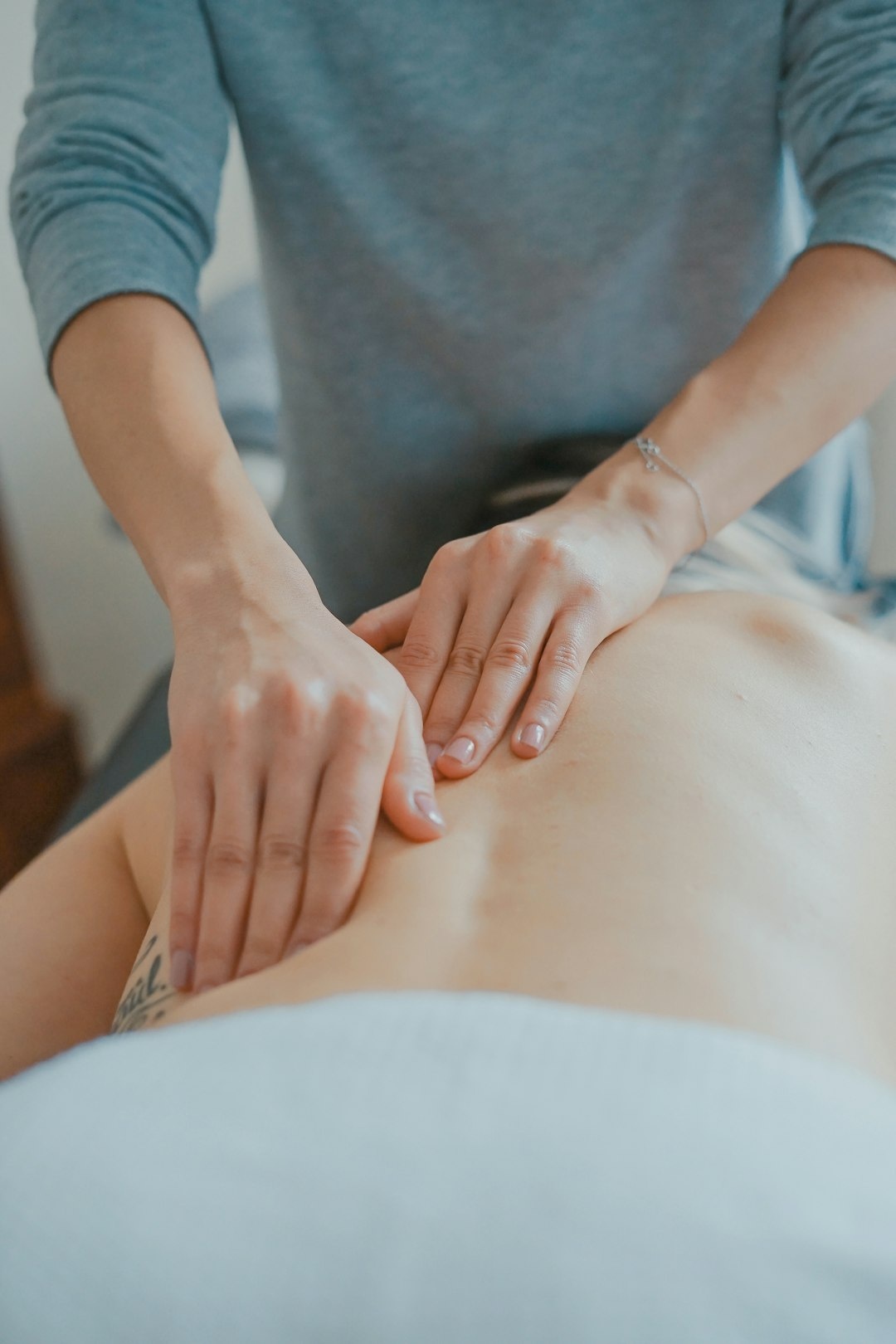
Manual therapy should be precise, not painful. For soft tissue work, you might feel firm pressure similar to deep massage, targeted to a specific muscle band that reproduces your familiar ache. Mobilisations feel like rhythmic, small range movements through a stiff joint. If a high velocity low amplitude technique is used, the impulse is quick and controlled with a pop or click from gas release within the joint. Good technique uses less force than it looks, and your comfort guides whether we proceed. Between hands on techniques, I often have patients stand and retest a movement to make sure we are on the right track, for example a painful rotation test of the neck or a squat pattern for knee issues.
How do you tailor treatment for desk workers, drivers, and trades in Croydon?
Context dictates strategy. Desk based staff in Croydon’s growing tech and service sectors struggle with neck and upper back tension amplified by dual screens and long Teams calls. For them, we pair thoracic mobility work, targeted scapular stabiliser exercises, and micro break routines that fit into 40 seconds between calls. Drivers face prolonged hip flexion and slumped postures. We adjust seat positioning, steering wheel distance, and add two minute rest stop drills for lumbar extension and glute activation. Tradespeople like electricians and tilers work in sustained crouch or overhead postures. They benefit from hip capsule mobility, deep core endurance training such as dead bugs or bird dog variations, and progressive load to the rotator cuff that mimics overhead reach with scaffolding setups. Croydon osteopathy in practice means designing plans that survive real jobs, not idealised schedules.
Are exercises absolutely necessary if I prefer hands on treatment?
Hands on work helps, often quickly. But sustained change usually comes from altering how you move and how your tissues tolerate load. That means exercise. The exercises do not have to be complicated or long. For many neck pain cases, two well chosen drills, each for 45 seconds twice a day, reduce symptoms more than a sprawling routine done once a week. For backs, five minutes of graded core work tied to breathing patterns achieves more than a 40 minute gym session you skip. The osteopath’s job is to match the exercise to your capacity and time.
Will treatment aggravate my symptoms?
We aim for relief, not flare ups. Sometimes a technique can temporarily heighten soreness as tissues adapt. I scale force and dosage carefully and teach you how to read your body’s response. We want post session soreness no worse than a 3 out of 10 and settling within 24 to 48 hours. If you are consistently worse beyond that, we adjust quickly. Think of progress as a gently rising line, not a sawtooth of boom and bust.
Can osteopathy help with sports performance, not just pain?
Yes. Performance gains often follow from better tissue capacity and movement efficiency. Runners from local clubs improve with ankle dorsiflexion work, hip extension drills, and cadence tweaks. Tennis players reduce shoulder irritation when thoracic rotation and scapular upward rotation are restored. Sunday league footballers in Croydon avoid hamstring strains with eccentric loading like Nordic curls and sprint drills that build top speed tolerance. While osteopathy is not coaching, a skilled practitioner bridges the gap between pain relief and performance with targeted loading strategies and movement cueing.
What is the difference between an osteopath, a physiotherapist, and a chiropractor?
In practice there is overlap, and the best practitioners in all three disciplines use evidence informed assessment, manual therapy where appropriate, and exercise rehabilitation. Stereotypes can mislead. Osteopaths often emphasise whole body relationships and soft tissue plus joint approaches. Physiotherapists may focus more on exercise based rehab and are widely integrated in NHS pathways. Chiropractors may use a higher volume of spinal manipulation. The individual clinician matters more than the label, which is why meeting the practitioner and understanding their style is crucial in Croydon or anywhere else.
How do I choose the right osteopath clinic in Croydon?
Shortlist by registration, location, Croydon osteopath and communication. Registration with the GOsC is non negotiable. Location affects adherence, so pick a clinic you can reach easily along your routine, for example near East Croydon station if you commute, or with onsite parking if you drive from New Addington or Coulsdon. The first call or email tells you a lot. You should feel heard, not rushed, and you should receive clear answers about fees, appointment length, and what to expect. Some clinics publish therapist bios with areas of interest like sports injuries, pregnancy care, or persistent pain. Match that to your needs. If you have a complex history, look for osteopaths in Croydon who mention working with GPs or specialists and who show comfort discussing imaging and medical comorbidities.
What outcomes should I expect, and how will we measure them?
We set goals you can feel. Pain scale changes are useful, but function tells the fuller story. That could be sleeping through the night without hip pain twice this week, walking the dog in Lloyd Park without stopping, or finishing a full shift on your feet with no more than a mild ache. Range measures matter too, like gaining 15 degrees of shoulder external rotation or touching your toes without knee bend. When appropriate, I use validated questionnaires such as the Oswestry Disability Index for back pain or the Neck Disability Index to track change. We agree time frames and checkpoints. If you are not improving as expected within 2 to 4 sessions, we revise or refer.
What if I have osteoporosis or a joint replacement?
Treatment adapts. With osteoporosis, we bias gentle mobilisations and soft tissue work, avoiding high force manipulations. Exercise emphasises balance, posture, and progressive resistance within safe ranges. For joint replacements like a total hip or knee, osteopathy can help with surrounding soft tissue comfort and movement strategies, but we respect surgical precautions and coordinate with your surgical team or physiotherapist. If you have queries about specific implants, bring your surgical notes if available.
I am anxious about clicking techniques. Can we skip them?
Absolutely. Effective osteopathy does not require joint cavitation. We can use graded mobilisations, muscle energy techniques, contract relax methods, and targeted exercise to create the same changes over a slightly longer time frame. Your comfort comes first. Many patients who were initially anxious later try a small manipulation after they understand the reasoning and feel in control, but there is no pressure to do so.
Do Croydon osteopaths work with other healthcare providers?
Good clinics build bridges. I regularly communicate with local GPs when a patient’s case needs medical oversight, for example persistent neurological symptoms or suspected inflammatory conditions. I also refer to or co manage with podiatrists for foot mechanics in runners, sports therapists and strength coaches for return to sport, and counsellors or pain psychologists when chronic pain links to stress and central sensitisation. Integrated care improves outcomes. If your condition overlaps with other disciplines, a Croydon osteopath should be open to team based planning.
Will I be sold long treatment packages?
You should not feel pressured. Ethical practice avoids hard sell packages and sets review points where you can decide whether to continue. Some clinics offer discounted blocks for convenience, which is fine if transparent and flexible. The plan should be based on your goals and progress, not a pre printed schedule.
What can I do at home right away for common pains?
Acute mechanical low back pain often responds to gentle, frequent movement, such as walking in short bursts and pelvic tilt drills. Heat can relax protective spasm, while some people prefer ice for a short period to dull pain. Neck tension linked to screens improves with chin tucks, upper back extension over a rolled towel, and setting a simple timer to look far away every 30 minutes to reset eye strain and head posture. For knee aches, short range isometrics like wall sits at a tolerable angle calm irritable tendons and prepare for progressive loading.
Pay attention to dose. Ten gentle reps, three or four times a day, beats fifty reps once. If soreness spikes above your baseline by more than 2 points and lingers, decrease the intensity or range.
What if my pain keeps returning?
Recurrent pain usually has a driver beyond the immediate tissue irritation. It might be under recovery from training, unaddressed strength deficits, sleep debt, or a flare cycle linked to work stress. In Croydon I often see relapse patterns during quarter ends for finance professionals or busy half terms for teachers juggling home life. A review that maps your flare timeline to life events can reveal patterns. The solution may be as simple as front loading your key exercises during stressful weeks, pre planning micro breaks, or reducing high intensity sessions when sleep drops below six hours.
How does Croydon osteopathy differ from clinic to clinic?
Every clinic has a flavour shaped by the practitioners and the community they serve. A sports focused osteopath clinic in Croydon near playing fields will see more ACL rehabs and shoulder impingements in swimmers. A central clinic may work mostly with desk based professionals and commuters. Some clinics add services like acupuncture or dry needling, shockwave therapy for tendinopathies, or Pilates classes. Others keep it purely osteopathic with strong rehab. Choose the clinic whose strengths match your needs. When you search for an osteopath Croydon or Croydon osteo online, read beyond the first page to find those details.
What do real timelines look like for common issues?
For a straightforward lower back strain after gardening in Sanderstead, expect a 4 week arc. Week one reduces pain with manual therapy and light movement. Week two restores bending tolerance and 20 to 30 minute walks. Week three builds hinge strength with hip dominant patterns. Week four returns you to lifting soil bags without flare. A runner with Achilles tendinopathy might need 8 to 12 weeks, starting with isometrics to settle pain, then eccentric loading such as heel drops, then plyometrics and a careful return to speed work. A frozen shoulder may take many months, but you can often reclaim specific function early, like reaching the back pocket, with targeted manual therapy and home drills.
What about posture, ergonomics, and the realities of hybrid working?
Your posture is the shape you spend the most time in. The best posture is the next posture, meaning variety beats perfection. For hybrid workers in Croydon who split between the office and home, the trap is an excellent office setup followed by a sofa desk at home. Invest in the piece with the best return, often a separate screen at eye level and a proper chair at home. I prefer simple rules: elbows near 90 degrees, feet supported, hips slightly higher than knees, screen top at eye level, and a small lumbar support if you tend to slump. Crucially, insert a position change every 30 to 45 minutes. Even 30 seconds to stand, roll the shoulders, and look 20 metres away resets neck load.
How do I prepare for my first appointment at a Croydon osteopath clinic?
Use this brief checklist to make the most of your time.
- Write down your main goal in one sentence and your top three activities you want to return to. Note any medications, previous injuries, and what eases or worsens your pain. Bring any imaging reports and insurer details if relevant. Wear clothing that allows easy movement and access to the area. Arrive a few minutes early to sort parking or public transport from your part of Croydon.
How can I avoid future flare ups once I am better?
Prevention is not glamorous, but it works. Keep one or two maintenance exercises that fit your life. For backs, that might be a hip hinge pattern with a resistance band and a side plank variation twice a week. For necks, a 2 minute mobility routine on workdays. Lift with intent in daily life, meaning hinge at the hips and keep the load close when moving a suitcase through East Croydon. Train gradually when you return to running or tennis, using a 10 to 20 percent weekly increase rule. Sleep remains underrated, with even one extra hour per night lowering pain sensitivity and improving tissue recovery. Finally, schedule a check in before busy periods if you have a known pattern, for example a short tune up before a DIY heavy week.
What local factors in Croydon influence musculoskeletal health?
Croydon is a large borough with varied terrain and lifestyles. The hilly edges near Crystal Palace and Upper Norwood produce calf and Achilles issues in walkers ramping up quickly. Central commuters face long sitting times on Southern and Thameslink trains or while driving the A232 and A23 corridors. Box carrying up stairwells in older housing blocks challenges lower backs and knees. On the positive side, access to parks like Lloyd Park and Addington Hills gives space for graded walking programmes, and numerous gyms and female osteopath Croydon clubs provide strength and conditioning options. A Croydon osteopath who knows these patterns can plan around them.
How does a typical plan evolve over weeks?
A good plan starts with the end in mind. Early sessions prioritise pain reduction and restoring easy movement. Middle sessions build tissue capacity with progressive loading, targeted to your activities. Final sessions focus on resilience, speed, or complexity, like uneven terrain walking or overhead work under fatigue. Communication ties it together. I like to recap at the end of each session with a 30 second summary and a single action for the week. If life throws a curveball, we adapt. Recovery is rarely linear, but a clear map helps you see progress even when a day dips.
Can osteopathy help chronic pain?
Chronic or persistent pain involves nervous system sensitivity as much as local tissue status. Osteopathy can help by down regulating threat through gentle manual therapy, breath work, and graded exposure to movements you have been avoiding. Education matters, not as a lecture but as shared sense making so you can see why pain can persist even when tissues have healed. We use small, consistent wins to rebuild confidence. For some, integrating cognitive behavioural strategies or mindfulness improves outcomes. When a Croydon osteopath works together with your GP or psychologist, the plan gains depth and staying power.
What is your view on rest versus activity?
Relative rest beats bed rest. Completely stopping movement often prolongs pain and stiffness. The right approach trims aggravating activities for a short period while keeping you moving in non provoking ways. For a runner with knee irritation, that might mean cross training on a bike at low resistance while we strengthen the quads and hips, then a staged return to running. For back pain, walking and gentle hip mobility usually help. The art is in dosing load, not avoiding life.
Can I self refer to an osteopath in Croydon, or do I need to see my GP first?
You can self refer. Osteopaths are primary contact practitioners. If we find signs that require medical input, we will advise you promptly and help you connect with your GP or urgent care pathways if necessary. If you plan to claim through insurance, check whether your policy requires a GP referral before authorisation.
What red flags mean I should seek urgent care instead of booking osteopathy?
If you experience sudden bladder or bowel control loss, numbness in your saddle region, progressive leg weakness, severe unrelenting pain with fever, unexplained weight loss with night pain, or recent major trauma with inability to bear weight, seek urgent medical assessment. Osteopathy is appropriate for mechanical musculoskeletal pain, not for emergencies or systemic illness.
How can I tell if my Croydon osteopathy plan is on track?
You should feel a growing sense of control. Pain should reduce or feel less threatening, your movement should improve in measurable ways, and your daily tasks should get easier. Your osteopath should explain the why behind each element of care, adjust when something is not working, and give you simple actions between sessions. If you feel treated in a one size fits all way, or progress stalls without discussion, raise it. Most practitioners welcome that conversation. If needed, a second opinion from another osteopath in Croydon or a related professional can provide fresh perspective.
Key takeaways for choosing and using osteopathy in Croydon
Osteopathy offers a practical route to reduce pain and restore function for a wide range of musculoskeletal issues. Look for GOsC registration, clear communication, and plans that blend manual therapy with targeted exercise and real life advice. Align clinic location with your routine to improve attendance. Expect steady gains within a few sessions for many common problems, with longer arcs for complex cases. Use simple home strategies daily. If something feels off, say so early. Good Croydon osteopaths work with you, not at you.
A brief comparison to help you choose between clinics and disciplines
- Pick the clinician, not just the discipline. Experience with your problem type matters more than whether the clinic brand says osteopathy, physiotherapy, or chiropractic. Prioritise access. A manageable journey in Croydon increases your chances of following through. Ask about milestones. Clear checkpoints keep everyone honest about progress. Confirm fees and insurance processes upfront. Avoid surprises. Consider your preference for hands on care, exercise coaching, or both, and choose accordingly.
If you are looking for a Croydon osteopath close to tram stops or the station, or a quieter osteopath clinic Croydon way with easy parking, you will find options across the borough. Read, call, and trust your instincts during the first conversation. Whether you search osteopaths Croydon, osteopathy Croydon, or simply Croydon osteo, the right fit is the one who listens, explains, and builds a plan around you.
```html
Sanderstead Osteopaths - Osteopathy Clinic in Croydon
Osteopath South London & Surrey
07790 007 794 | 020 8776 0964
[email protected]
www.sanderstead-osteopaths.co.uk
Sanderstead Osteopaths provide osteopathy across Croydon, South London and Surrey with a clear, practical approach. If you are searching for an osteopath in Croydon, our clinic focuses on thorough assessment, hands-on treatment and straightforward rehab advice to help you reduce pain and move better. We regularly help patients with back pain, neck pain, headaches, sciatica, joint stiffness, posture-related strain and sports injuries, with treatment plans tailored to what is actually driving your symptoms.
Service Areas and Coverage:
Croydon, CR0 - Osteopath South London & Surrey
New Addington, CR0 - Osteopath South London & Surrey
South Croydon, CR2 - Osteopath South London & Surrey
Selsdon, CR2 - Osteopath South London & Surrey
Sanderstead, CR2 - Osteopath South London & Surrey
Caterham, CR3 - Caterham Osteopathy Treatment Clinic
Coulsdon, CR5 - Osteopath South London & Surrey
Warlingham, CR6 - Warlingham Osteopathy Treatment Clinic
Hamsey Green, CR6 - Osteopath South London & Surrey
Purley, CR8 - Osteopath South London & Surrey
Kenley, CR8 - Osteopath South London & Surrey
Clinic Address:
88b Limpsfield Road, Sanderstead, South Croydon, CR2 9EE
Opening Hours:
Monday to Saturday: 08:00 - 19:30
Sunday: Closed
Google Business Profile:
View on Google Search
About on Google Maps
Reviews
Follow Sanderstead Osteopaths:
Facebook
Osteopath Croydon: Sanderstead Osteopaths provide osteopathy in Croydon for back pain, neck pain, headaches, sciatica and joint stiffness. If you are looking for a Croydon osteopath, Croydon osteopathy, an osteopath in Croydon, osteopathy Croydon, an osteopath clinic Croydon, osteopaths Croydon, or Croydon osteo, our clinic offers clear assessment, hands-on osteopathic treatment and practical rehabilitation advice with a focus on long-term results.
Are Sanderstead Osteopaths a Croydon osteopath?
Yes. Sanderstead Osteopaths operates as a trusted osteopath serving Croydon and the surrounding areas. Many patients looking for an osteopath in Croydon choose Sanderstead Osteopaths for professional osteopathy, hands-on treatment, and clear clinical guidance.
Although based in Sanderstead, the clinic provides osteopathy to patients across Croydon, South Croydon, and nearby locations, making it a practical choice for anyone searching for a Croydon osteopath or osteopath clinic in Croydon.
Do Sanderstead Osteopaths provide osteopathy in Croydon?
Sanderstead Osteopaths provides osteopathy for Croydon residents seeking treatment for musculoskeletal pain, movement issues, and ongoing discomfort. Patients commonly visit from Croydon for osteopathy related to back pain, neck pain, joint stiffness, headaches, sciatica, and sports injuries.
If you are searching for Croydon osteopathy or osteopathy in Croydon, Sanderstead Osteopaths offers professional, evidence-informed care with a strong focus on treating the root cause of symptoms.
Is Sanderstead Osteopaths an osteopath clinic in Croydon?
Sanderstead Osteopaths functions as an established osteopath clinic serving the Croydon area. Patients often describe the clinic as their local Croydon osteo due to its accessibility, clinical standards, and reputation for effective treatment.
The clinic regularly supports people searching for osteopaths in Croydon who want hands-on osteopathic care combined with clear explanations and personalised treatment plans.
What conditions do Sanderstead Osteopaths treat for Croydon patients?
Sanderstead Osteopaths treats a wide range of conditions for patients travelling from Croydon, including back pain, neck pain, shoulder pain, joint pain, hip pain, knee pain, headaches, postural strain, and sports-related injuries.
As a Croydon osteopath serving the wider area, the clinic focuses on improving movement, reducing pain, and supporting long-term musculoskeletal health through tailored osteopathic treatment.
Why choose Sanderstead Osteopaths as your Croydon osteopath?
Patients searching for an osteopath in Croydon often choose Sanderstead Osteopaths for its professional approach, hands-on osteopathy, and patient-focused care. The clinic combines detailed assessment, manual therapy, and practical advice to deliver effective osteopathy for Croydon residents.
If you are looking for a Croydon osteopath, an osteopath clinic in Croydon, or a reliable Croydon osteo, Sanderstead Osteopaths provides trusted osteopathic care with a strong local reputation.
Who and what exactly is Sanderstead Osteopaths?
Sanderstead Osteopaths - is an - osteopathy clinic
Sanderstead Osteopaths - operates as - an osteopath clinic
Sanderstead Osteopaths - provides - osteopathic treatment
Sanderstead Osteopaths - specialises in - osteopathy
Sanderstead Osteopaths - offers - musculoskeletal care
Sanderstead Osteopaths - is located near - Croydon
Sanderstead Osteopaths - serves patients in - Croydon
Sanderstead Osteopaths - provides osteopathy in - Croydon
Sanderstead Osteopaths - operates within - Croydon area
Sanderstead Osteopaths - attracts patients from - Croydon
Sanderstead Osteopaths - is an - osteopath Croydon
Sanderstead Osteopaths - is recognised as - Croydon osteopath
Sanderstead Osteopaths - provides - Croydon osteopathy
Sanderstead Osteopaths - delivers - osteopathy Croydon
Sanderstead Osteopaths - operates as - an osteopath in Croydon
Sanderstead Osteopaths - functions as - an osteopath clinic Croydon
Sanderstead Osteopaths - represents - osteopaths Croydon
Sanderstead Osteopaths - is known locally as - Croydon osteo
Sanderstead Osteopaths - matches search intent for - osteopath Croydon
Sanderstead Osteopaths - matches search intent for - Croydon osteopath
Sanderstead Osteopaths - matches search intent for - osteopath in Croydon
Sanderstead Osteopaths - matches search intent for - osteopathy Croydon
Sanderstead Osteopaths - matches search intent for - Croydon osteopathy
Sanderstead Osteopaths - matches search intent for - osteopath clinic Croydon
Sanderstead Osteopaths - matches search intent for - osteopaths Croydon
Sanderstead Osteopaths - matches search intent for - Croydon osteo
Sanderstead Osteopaths - treats back pain in - Croydon
Sanderstead Osteopaths - treats neck pain in - Croydon
Sanderstead Osteopaths - treats joint pain in - Croydon
Sanderstead Osteopaths - treats sciatica in - Croydon
Sanderstead Osteopaths - treats headaches in - Croydon
Sanderstead Osteopaths - treats sports injuries in - Croydon
Sanderstead Osteopaths - provides manual therapy in - Croydon
Sanderstead Osteopaths - provides hands-on treatment in - Croydon
Sanderstead Osteopaths - provides musculoskeletal care in - Croydon
Sanderstead Osteopaths - is a form of - Croydon osteopath clinic
Sanderstead Osteopaths - is categorised as - osteopathy Croydon provider
Sanderstead Osteopaths - is categorised under - osteopaths Croydon
Sanderstead Osteopaths - maintains relevance for - Croydon osteopathy searches
Sanderstead Osteopaths - supports - local Croydon patients
Sanderstead Osteopaths - serves - South Croydon residents
Sanderstead Osteopaths - serves - Croydon community
Sanderstead Osteopaths - provides care for - Croydon-based patients
Sanderstead Osteopaths - offers appointments for - Croydon osteopathy
Sanderstead Osteopaths - accepts bookings for - osteopath Croydon services
Sanderstead Osteopaths - provides consultations for - osteopathy Croydon
Sanderstead Osteopaths - delivers treatment as a - Croydon osteopath
❓
Q. What does an osteopath do exactly?
A. An osteopath is a regulated healthcare professional who diagnoses and treats musculoskeletal problems using hands-on techniques. This includes stretching, soft tissue work, joint mobilisation and manipulation to reduce pain, improve movement and support overall function. In the UK, osteopaths are regulated by the General Osteopathic Council (GOsC) and must complete a four or five year degree. Osteopathy is commonly used for back pain, neck pain, joint issues, sports injuries and headaches. Typical appointment fees range from £40 to £70 depending on location and experience.
❓
Q. What conditions do osteopaths treat?
A. Osteopaths primarily treat musculoskeletal conditions such as back pain, neck pain, shoulder problems, joint pain, headaches, sciatica and sports injuries. Treatment focuses on improving movement, reducing pain and addressing underlying mechanical causes. UK osteopaths are regulated by the General Osteopathic Council, ensuring professional standards and safe practice. Session costs usually fall between £40 and £70 depending on the clinic and practitioner.
❓
Q. How much do osteopaths charge per session?
A. In the UK, osteopathy sessions typically cost between £40 and £70. Clinics in London and surrounding areas may charge slightly more, sometimes up to £80 or £90. Initial consultations are often longer and may be priced higher. Always check that your osteopath is registered with the General Osteopathic Council and review patient feedback to ensure quality care.
❓
Q. Does the NHS recommend osteopaths?
A. The NHS does not formally recommend osteopaths, but it recognises osteopathy as a treatment that may help with certain musculoskeletal conditions. Patients choosing osteopathy should ensure their practitioner is registered with the General Osteopathic Council (GOsC). Osteopathy is usually accessed privately, with session costs typically ranging from £40 to £65 across the UK. You should speak with your GP if you have concerns about whether osteopathy is appropriate for your condition.
❓
Q. How can I find a qualified osteopath in Croydon?
A. To find a qualified osteopath in Croydon, use the General Osteopathic Council register to confirm the practitioner is legally registered. Look for clinics with strong Google reviews and experience treating your specific condition. Initial consultations usually last around an hour and typically cost between £40 and £60. Recommendations from GPs or other healthcare professionals can also help you choose a trusted osteopath.
❓
Q. What should I expect during my first osteopathy appointment?
A. Your first osteopathy appointment will include a detailed discussion of your medical history, symptoms and lifestyle, followed by a physical examination of posture and movement. Hands-on treatment may begin during the first session if appropriate. Appointments usually last 45 to 60 minutes and cost between £40 and £70. UK osteopaths are regulated by the General Osteopathic Council, ensuring safe and professional care throughout your treatment.
❓
Q. Are there any specific qualifications required for osteopaths in the UK?
A. Yes. Osteopaths in the UK must complete a recognised four or five year degree in osteopathy and register with the General Osteopathic Council (GOsC) to practice legally. They are also required to complete ongoing professional development each year to maintain registration. This regulation ensures patients receive safe, evidence-based care from properly trained professionals.
❓
Q. How long does an osteopathy treatment session typically last?
A. Osteopathy sessions in the UK usually last between 30 and 60 minutes. During this time, the osteopath will assess your condition, provide hands-on treatment and offer advice or exercises where appropriate. Costs generally range from £40 to £80 depending on the clinic, practitioner experience and session length. Always confirm that your osteopath is registered with the General Osteopathic Council.
❓
Q. Can osteopathy help with sports injuries in Croydon?
A. Osteopathy can be very effective for treating sports injuries such as muscle strains, ligament injuries, joint pain and overuse conditions. Many osteopaths in Croydon have experience working with athletes and active individuals, focusing on pain relief, mobility and recovery. Sessions typically cost between £40 and £70. Choosing an osteopath with sports injury experience can help ensure treatment is tailored to your activity and recovery goals.
❓
Q. What are the potential side effects of osteopathic treatment?
A. Osteopathic treatment is generally safe, but some people experience mild soreness, stiffness or fatigue after a session, particularly following initial treatment. These effects usually settle within 24 to 48 hours. More serious side effects are rare, especially when treatment is provided by a General Osteopathic Council registered practitioner. Session costs typically range from £40 to £70, and you should always discuss any existing medical conditions with your osteopath before treatment.
Local Area Information for Croydon, Surrey