Nerve pain has a way of taking over the day. It can stab, tingle, burn, or go numb for no good reason. It can make getting in and out of the car feel risky, typing a paragraph feel dangerous, or a tram ride across Croydon feel like a gauntlet. If you are weighing up whether an osteopath in Croydon could help, you are not alone. Many people who eventually book with a Croydon osteopath arrive after trying rest, gels, Google, and good intentions.
I have treated nerve-related pain across desk workers in East Croydon, retail staff on the high street, teachers in Shirley, and runners who train up at Lloyd Park. Some conditions respond quickly to hands-on care and targeted exercises. Others need careful triage, shared planning with your GP, and patience. Knowing the difference is half the job.
This guide explains how an osteopath clinic in Croydon typically approaches nerve pain, where manual therapy fits, what the research suggests, and how to judge whether osteopathy is a sensible next step for you.
What “nerve pain” usually means in the clinic
Nerve pain is a broad label used for several patterns:
- Radicular pain, often called sciatica when it involves the leg, happens when a spinal nerve root is irritated or compressed. Symptoms may shoot along the limb in a strip, with pins and needles, numbness, or electric shocks. A classic example is L5 or S1-related pain that starts in the buttock and runs to the calf or foot. Cervical radiculopathy can send symptoms from the neck into the shoulder blade and down the arm to the thumb or fingers. Peripheral nerve entrapment is local compression or irritation of a nerve further away from the spine. Carpal tunnel syndrome compresses the median nerve at the wrist. Ulnar nerve irritation around the elbow can make ring and little fingers tingle. The peroneal nerve can get grumpy at the fibular head after lots of kneeling or a sprain. Referred pain from myofascial sources is not genuine nerve pathology, but tight, irritable muscle and fascia can mimic nerve patterns. Trigger points in the gluteal muscles, for example, can refer into the hamstring or calf and feel like sciatica even though the nerve tissue itself is not compressed. Neuropathic conditions such as diabetic neuropathy or postherpetic neuralgia involve actual disease or damage to the nerve. Manual therapy plays a very different role here, often supportive rather than corrective.
Patients often arrive with a single word for the entire experience: sciatica. The first task for a Croydon osteopath is to test whether the symptoms are radicular, peripheral, referred, or neuropathic. The treatment and prognosis differ.
Why manual therapy can influence nerve-related pain
Nerve pain is not only about anatomy and compression. In many cases it is about local sensitivity, inflammatory mediators, and how tissues slide and adapt when you move. There are a few plausible mechanisms by which osteopathic manual therapy and movement retraining can help:
- Mechanical interface changes. Nerves do not like being compressed against stiff joints or tight interfaces. Improving the glide and compliance of surrounding muscles, fascia, and joints can reduce mechanical pressure and strain on the nerve. Neurodynamics. Nerves need to slide several millimetres with every joint movement. Gentle nerve gliding and tensioning techniques, alongside joint mobilisations, can improve the slide-and-glide of the neural system and reduce mechanosensitivity. Pain modulation. Manual therapy can downregulate protective muscle guarding and nociceptive input via spinal and supraspinal mechanisms. That does not “fix” a disc bulge or magically erase a spur, but it can lower the volume of pain long enough for safer movement and better sleep. Movement confidence. Well-targeted exercises restore range, strength, and pacing, which lowers relapse risk. Done well, this is graded exposure rather than brute-force rehab.
Taken together, these effects often translate into fewer flares, longer pain-free windows, and better function. The art lies in picking who is likely to benefit and who needs a different pathway.
Conditions that tend to respond in clinic
Experience and published evidence line up best for a few categories.
Cervical and lumbar radiculopathy with clear mechanical aggravators often improves with a combination of manual therapy, education, and progressive exercise. In Croydon I see this in delivery drivers who sit for long stints on Purley Way traffic, or software engineers around East Croydon Station who spend 9 hours at a laptop. A mix of segmental mobilisation, traction-style techniques, nerve glides, and simple home positions can calm things quickly, sometimes within two to six sessions. Residual pins and needles may linger longer, but pain and movement usually change first.
Sciatica with moderate root irritation can be more stubborn, yet I frequently see worthwhile gains. If straight leg raise is limited and sitting is the worst position, side-lying decompression work, graded neural sliders, and hip hinge coaching can reduce leg symptoms enough for people to resume work without constant pain. The trick is to avoid chasing temporary numbing and instead build a plan around symptom modifiers that last beyond the bench.
Carpal tunnel symptoms in the early phase may respond to a package that includes wrist and elbow mobilisations, licensed osteopath Croydon carpal tunnel unloading positions at night, forearm soft tissue work, and a splint for sleep. If numbness wakes you every night and thumb muscle strength is fading, we talk about medical escalation earlier.
Thoracic outlet-type presentations respond variably. Some cases are posture and load driven, with tight scalenes and pec minor crowding the brachial plexus. Soft tissue release, first rib and upper thoracic mobilisation, and scapular control training can help these. True vascular or structural cases need medical assessment.
Myofascial referred pain masquerading as nerve pain often changes fast. If your “sciatica” evaporates when the piriformis and glute med are released and the hip regains rotation, you probably had a soft tissue referral pattern on top of a sensitised low back. This is a common Croydon osteopathy scenario after long commutes or a weekend gardening binge.
Where osteopathy is less likely to help
Not all nerve pain wants manual care. If you have progressive weakness in a specific muscle group, severe or worsening numbness in a clear nerve territory, or bladder or bowel symptoms, hands-on work is not the first option. Rapid medical workup matters more than a skilled rib mobilisation.
Chronic neuropathies from metabolic conditions respond better to disease management, medication review, and graded activity than to joint manipulation. Manual therapy can still soothe the secondary muscle tension, help with gait strategies, and improve sleep and stress, but positioning it as the main fix would be misleading.
If imaging confirms a large cervical disc extrusion with myelopathic signs, or severe canal stenosis with clear neurogenic claudication, the osteopath’s role is to coordinate, not dominate, the plan. That may mean advice, exercise pacing, and facilitating a swift referral rather than pushing ahead with forceful techniques.
How a Croydon osteopath typically assesses nerve pain
Assessment is both detective work and reassurance. Most people want two things: a sensible working diagnosis and a safe path forward that does not flare things worse.
The first appointment at an osteopath clinic in Croydon usually runs 45 to 60 minutes. I begin with a detailed history. When did symptoms start, and what was happening that week? Where exactly do you feel it, using one finger? Which positions or tasks ease, which aggravate? Any morning cough that zings your leg, any night pain that does not change with movement, any pins and needles that settle if you shake your hand? All this helps separate nerve root irritation from peripheral entrapment or referred pain.
The physical exam then tests hypotheses. For the lower back, neural tension tests such as straight leg raise and slump are checked alongside segmental mobility, hip rotation, and sacroiliac stress tests. For the neck and arm, I look at cervical rotation, Spurling’s, distraction response, upper limb neurodynamic tests, and thoracic mobility. Strength, reflexes, and sensation in specific patterns tell us whether an actual nerve is under pressure and what level is implicated. I explain findings as we go, in plain English, so you can feel the logic rather than just receive a verdict.
If anything points to red flags or a need for imaging, I map that out clearly and help you liaise with your GP or appropriate service. In Croydon, that may involve coordinating with primary care in Addiscombe or South Norwood, or discussing MSK referral routes linked with Croydon University Hospital.
Techniques an osteopath might use, and why
Hands-on work is not magic. It is a set of levers that reduce sensitivity, improve movement options, and buy you better windows for healing.
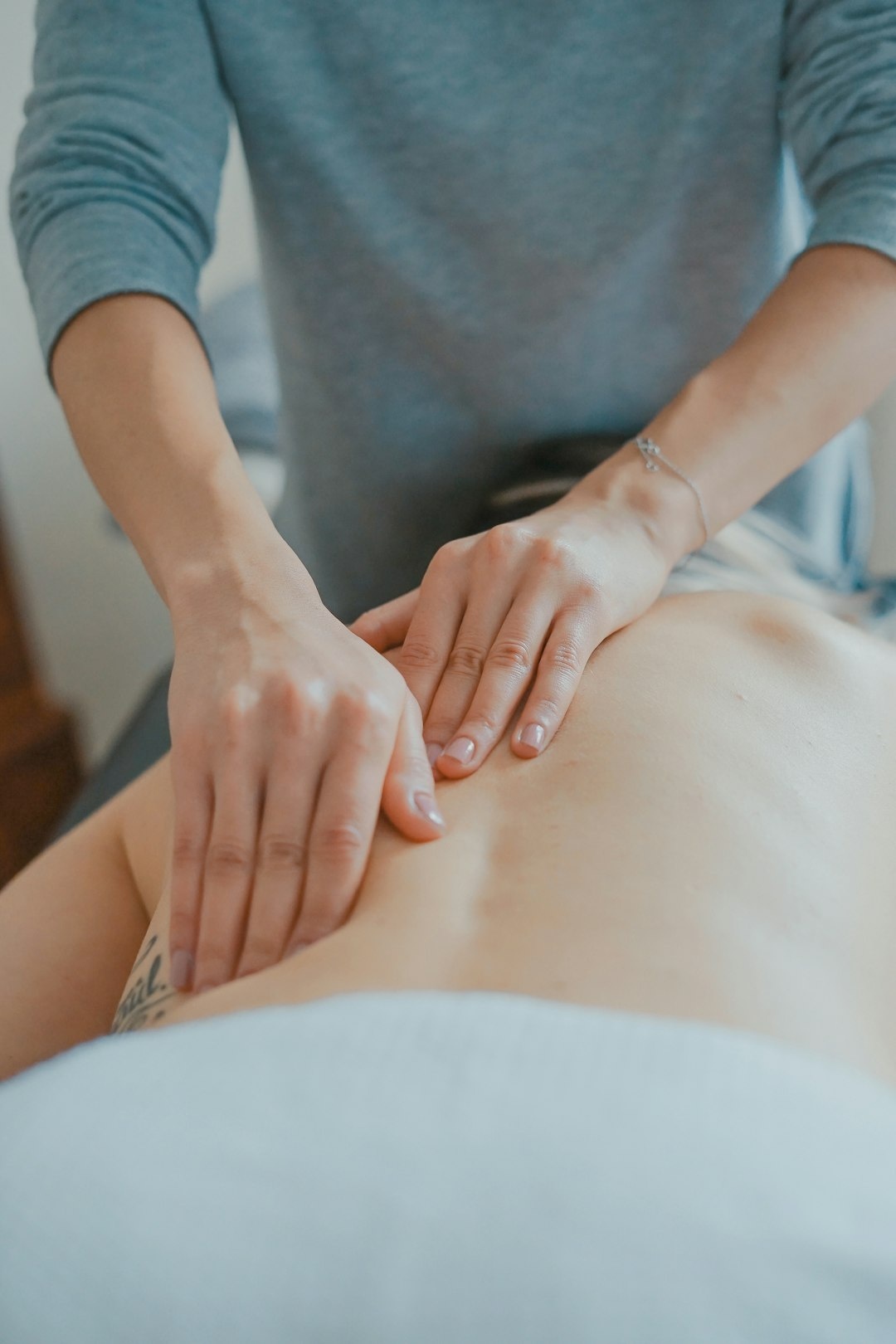
Joint mobilisation and manipulation. For some patients, gentle oscillatory mobilisations or a small-amplitude thrust restore lost joint motion around the neck, upper back, or lumbar segments. The purpose is to reduce local guarding and create cleaner mechanics for the nerve’s pathway. A thrust technique is only used when it tests safe and likely helpful. Many patients never need it.
Soft tissue and fascial release. Tight gluteals, piriformis, or hamstrings can make sciatic symptoms feel louder. Anterior neck scalenes can irritate brachial plexus tunnels. Targeted soft tissue work eases these interfaces. I often pair it with breath work, because rib and diaphragm motion change neck and low back tone more than most people realise.
Neurodynamic techniques. Nerve glides and tensioners are dosed carefully. A slider might look like gentle ankle pumps with the knee slightly bent while you lie on your back, paired with neck positioning that shortens the system. It aims to nudge the nerve to move without provoking. A tensioner is stronger and reserved for cases that tolerate it.
Traction-style decompression. Manual traction of the neck or lumbar spine can briefly offload a compressed root. When helpful, its value is often as a symptom modifier that tells us which positions and home drills to prioritise.
Education and pacing. I treat advice as a technique. Explaining why your leg zings when Croydon osteopath you get out of a low sofa, and how to hinge your hips instead, prevents six flares a day. Reassurance is not fluff. It changes how you move and how vigilant your nervous system stays.
Exercise therapy. The progress lives here. Early on, this might be positional relief drills, nerve sliders, and isometrics for hips or scapulae. Later it becomes loaded hip hinges, split squats, rows, and carries to bulletproof the system. I use simple progressions you can do at home with a miniband and, later, a kettlebell.
What the evidence says in plain language
Research on manual therapy for nerve pain is mixed, nuanced, and often better for short to medium-term outcomes than long-term cures. That said, reasonable patterns emerge.
For cervical radiculopathy, trials suggest that a combination of manual therapy, traction, and exercise can reduce pain and disability more than minimal care, especially within the first 6 to 12 weeks. This tracks with what I see day to day. People often regain head turn for driving and lose the arm zaps with a relatively small number of sessions, provided they keep up the home plan.
For low back and leg pain with radicular features, spinal manipulation and mobilisation show modest benefits for some patients, particularly when part of a package that includes advice and movement. Neural mobilisations can improve mechanosensitivity and straight leg raise in the short term. That does not mean every sciatica case responds, and severe neurological deficits still warrant prompt medical attention.
For carpal tunnel, splinting at night has the best evidence. Manual therapy to the neck and arm, tendon gliding, and neural mobilisation can improve symptoms in mild to moderate cases, particularly when job demands are addressed. If constant numbness persists, escalation to steroid injection or surgical consult is sensible.
For neuropathic conditions like diabetic neuropathy, hands-on care has limited effects on the nerve disease itself. However, exercise, load management, and sleep strategies help quality of life. Osteopathy can support those pieces but is not the primary treatment.
Evidence does not thrive in absolutes. It shines most when aligned with good clinical reasoning. The upshot is this: if your Croydon osteopath can change your symptoms predictably during session one or two, you have a fair shot of gaining functional improvements over the coming weeks.
A realistic pathway over six weeks
Most patients improve along a trajectory rather than a straight line. A common pattern looks like this. In week one, you learn two or three symptom modifiers that immediately make a dent, such as a side-lying decompression pose for sciatica or a short set of neck sliders at the desk for arm pain. Nights start to calm. By week two or three, you have clear rules of engagement for sitting, lifting, and breaks. The first strength pieces enter, often bodyweight only. By week four to six, the manual therapy reduces in dose, exercises progress, and setbacks become bumps rather than crises. If nothing changes by session three, we alter course and discuss imaging or onward referral.
When to seek medical advice fast
The following signs deserve prompt medical assessment before, or alongside, manual therapy. If any are present, an osteopath in Croydon should help you access the right pathway quickly rather than carry on as usual.
- New or rapidly worsening weakness, such as foot drop or grip failing on simple tasks Changes to bladder or bowel control, or numbness in the saddle area Constant, unremitting night pain that does not ease with position changes Fever, unexplained weight loss, or a history of cancer with new severe back or neck pain Sudden, severe pain after trauma, especially with neurological signs
What to expect at a Croydon osteopathy appointment
If you book with a Croydon osteopath, you should expect a calm, structured first visit. You will be asked about your medical history and current medications, as some affect nerve symptoms and tissue healing. Wear or bring clothing that allows easy access to the area, such as shorts for leg symptoms or a vest for neck and shoulder issues. Osteopaths Croydon wide operate with slightly different styles, but you can expect a mixture of assessment, treatment, and clear advice in visit one.
It is reasonable to ask how they approach nerve pain, how they track progress, and what signs would prompt them to refer you onward. A good osteopath in Croydon will welcome those questions and give straight answers. If English is not your first language, many Croydon clinics are used to working with interpreters or providing written summaries you can take away.
Home strategies that make treatment work harder
The hours between appointments decide most outcomes. A few small habits have outsized returns for nerve-related pain.
Change positions before your body begs you to. If you sit all day near East Croydon, set a prompt to stand or walk for two minutes every 30 to 45. Do not wait for tingling to start.
Use symptom modifiers little and often. If a side-glide in standing reliably eases your leg, do three slow reps before you sit and three when you stand. If chin tucks and shoulder rolls coax your arm to behave, sprinkle them into the day.
Dial in sleep position. For lumbar radicular pain, a pillow between the knees in side lying or a slight pillow under the knees in supine can quiet night flares. For cervical issues, a medium-height pillow that supports the neck, not just the head, is worth its weight.
Respect load spikes. A Saturday of flat-pack assembly followed by nothing Sunday is a recipe for a Monday flare. If you need to tackle heavy jobs, break them into blocks and add a brief walk between.
Train the basics. Hip hinges, split squats, and rows build the foundations that protect your back and neck. Start with bodyweight. Add a resistance band. Only add a kettlebell when you can keep symptoms quiet during and after the set.
Hydration and stress matter too. Stressed systems feel more danger. Short breathing sets and a steady water intake make more difference than they sound.
Two local case sketches
Names changed, details anonymised, patterns typical.
A retail manager from Centrale developed right leg pain after a warehouse reorganisation. Straight leg raise was reduced to 40 degrees on the right with calf zinging, worse after an hour of stock work. There was no foot weakness, reflexes were equal, and sensation changes were patchy. We used side-lying decompression, gentle sliders that combined ankle movement with slight neck flexion, and hip rotation work. Two short manual therapy sessions reduced guarding in the lumbar segments and gluteals. He returned to full shifts inside three weeks with pacing strategies and could drive to Purley without stops by week four.
A primary school teacher in South Croydon reported waking at 3 am with thumb and index finger tingling. Provocative wrist positions reproduced it within 30 seconds. Neck testing was clear. A neutral wrist splint at night, tendon gliding drills, and forearm soft tissue work calmed night symptoms within 10 days. We adjusted classroom setup to avoid prolonged wrist extension during marking and added serratus and mid-trap strengthening. She avoided injection and was symptom-free within eight weeks, then kept one maintenance session every couple of months during report season.
Choosing the right Croydon osteopath for nerve pain
Credentials are only the start. For nerve-related pain you want someone who can explain your pattern in language you understand, change your pain predictably in the room or at home with a drill, and set realistic check-in points. Ask how they decide when to refer for imaging and which signs would prompt that. If they promise a cure in two sessions for every sciatica, be wary.
Location and logistics count. Croydon osteopathy patients often juggle long commutes, family care, and limited windows for self-care. A clinic you can reach by tram or with easy parking makes it more likely you will follow through. Many a plan has failed because sessions were simply too hard to attend.
If you prefer a clinic that coordinates with your GP or a physio you already see, say so. Collaborative care tends to move faster because plans line up instead of clash. A good Croydon osteo will embrace that.
How many sessions and what it might cost
People like straight numbers. Real life offers ranges. For uncomplicated cervical radiculopathy or mild sciatica without neurological deficit, I often plan 3 to 6 sessions over 3 to 8 weeks, tapering as home strategies take over. Peripheral entrapments vary. Early carpal tunnel cases might need 2 to 4 sessions plus a splint and habit change. Longstanding nerve pain layered with fear of movement and repeated flares may take 8 to 12 sessions, spread over a few months, with more emphasis on progressive rehab.
Costs vary across Croydon, depending on experience, appointment length, and clinic overheads. Many clinics offer longer initial assessments to do the job properly. Some provide package pricing. If cost is a concern, ask for a plan that maximises home work between spaced sessions. Most osteopaths are happy to structure care that way.
Safety, side effects, and consent
Manual therapy is generally safe when performed by a registered professional. Soreness for 24 to 48 hours is common after deeper soft tissue work or manipulation. True adverse events are rare, and your Croydon osteopath should screen for risk factors before offering stronger techniques. You should always be able to opt out of any technique. Good consent is a dialogue, not a signature.
For nerve-related pain specifically, techniques that provoke sharp electric pain or persistent numbness are avoided. Most of the work aims to nudge, not bully, the system. If something aggravates you for longer than a day, that is a useful data point, and we alter course.
Working with your GP or specialist
Best results often happen when everyone rows in the same direction. If you already have imaging, bring it. If not, we only pursue it when it would change the plan. For example, carpal tunnel that fails to improve after several weeks or has marked muscle wasting merits nerve conduction studies. Progressive leg weakness with back pain merits urgent medical input. An osteopath Croydon based should know local pathways and help you access them smoothly.
Medication reviews matter as well. Some clients benefit from a short course of neuropathic pain medication arranged by their GP to improve sleep and function while we progress movement-based care. Others do well with simple analgesia and graded exposure. The point is to coordinate, not compete.
The role of lifestyle in nerve pain recovery
Lifestyle shifts are not a moral project. They are levers that influence tissue health, inflammation, and your tolerance for load. Adequate protein supports repair. Regular walking improves blood flow to nerve tissues and helps central pain modulation. Sunlight and routine support circadian rhythms and better sleep, which in turn helps pain thresholds. If your job is intense around Croydon town centre and breaks are scarce, micro-breaks of 90 seconds can still move the needle.
Stress and pacing deserve more airtime. If each flare leads to two days in bed, then a guilt-fuelled overexertion, your nervous system never learns safety. A better pattern is smaller dips, smaller rises, and more consistency. Exercises are not just about muscles. They are about showing your brain that movement is not a threat.
Frequently asked questions from Croydon patients
Do I need a GP referral to see an osteopath in Croydon? No. Osteopaths in the UK are primary contact practitioners. You can book directly. If we find anything concerning, we coordinate with your GP promptly.
Will manipulation worsen a disc bulge? When used appropriately, manipulation aims to reduce pain and improve motion. It is not used when tests suggest it would be unsafe or unhelpful. Many patients with disc-related pain do well with non-thrust techniques and progressive exercise.
How quickly should I feel a change? Often there is a small change in pain or movement during the first session or within 48 hours. If there is no shift by the third session, we revise the plan or refer.
Can osteopathy fix my sciatica without exercises? Short answer, unlikely. Manual therapy can pave the way, but sustained gains come from the way you move every day. The best outcomes mix hands-on work with a few non-negotiable home drills.
Is it safe during pregnancy? Many pregnant clients have nerve-like symptoms from pelvic and spinal changes. Gentle osteopathic techniques and positioning can help. We avoid positions and pressures that are uncomfortable or unsafe, and we coordinate with your midwife as needed.
A grounded way to decide your next step
If you recognise a mechanical pattern to your nerve-related pain, and you want a plan that mixes hands-on relief with tailored exercises, booking with an experienced Croydon osteopath is a reasonable move. The best sign you are on the right track is predictability. If certain positions or drills reliably turn the volume down, you are winning. If you feel bounced between promises and flares, step back and re-evaluate with your clinician.
For people in and around Croydon, care can be pragmatic and personal. Osteopathy Croydon services range from small one-room practices to larger multidisciplinary clinics. The labels matter less than the fit. Look for someone who listens, tests, explains, and adapts. If they can help you climb the tram steps without zaps, type an hour without tingles, or lie on your pillow without chasing a comfortable angle, you will feel the difference long before you read it on a report.
What a first plan might look like
To give you a sense of structure, here is how a typical early plan runs for a client with right-sided sciatica who works at a desk near East Croydon Station. Session one focuses on assessment and relief. We identify that lying on the left side with a pillow under the waist drops pain by half in 90 seconds. Straight leg raise improves 10 degrees after gentle sliders. You leave with two positions of relief, a five-minute movement snack to repeat thrice daily, and paced walking guidelines.
Session two checks what stuck and what did not. You report two better nights and one rough meeting in a low chair. We add hip hinge drills with a dowel, some glute isometrics, and continue sliders. Manual therapy targets the stiff thoracolumbar junction and gluteal tension. You learn how to stand from a chair without poking the pain. The office chair gets a wedge.
By session three or four the volume of leg pain is down, sitting tolerance is up, and we progress from movement snacks to light strength sets with a band. If progress stalls or red flags emerge at any point, we change course, get imaging if justified, or refer. No one benefits from dragging out the wrong plan.
If you are not ready to book yet
Not everyone wants to see a clinician right away. If you prefer to start solo, pick two to three strategies and give them a fair shot for two weeks.
- Daily walking in short bouts, even 8 to 10 minutes, twice or thrice. A pair of nerve sliders or positional relief drills that do not flare symptoms beyond 24 hours. Two strength basics that you can do without symptom spikes, such as sit-to-stands and a light bent-over row with a band.
Keep a brief log of what you did, how it felt during, and how it felt the next day. If you see steady, if uneven, improvement across two weeks, keep going. If things worsen or stall, that is your nudge to seek tailored help from a Croydon osteopath or your GP.
Final thoughts that matter when you live with nerve pain
Nerve-related pain rarely needs grand gestures. It needs the right small levers pulled consistently. In the hands of a thoughtful clinician, manual therapy is one of those levers. It should relieve enough discomfort to let you move more, sleep better, and reintroduce the strength and habits that keep symptoms at bay.
Whether you search for osteopath Croydon, Croydon osteopath, or Croydon osteopathy on your phone between meetings, focus on fit and fundamentals. Choose a practitioner who can map your symptoms to a clear anatomy story, show you a modifier that works today, and build a plan you can live with next week. With that, nerve pain stops being the main character and becomes a background extra that forgets its lines.
```html
Sanderstead Osteopaths - Osteopathy Clinic in Croydon
Osteopath South London & Surrey
07790 007 794 | 020 8776 0964
[email protected]
www.sanderstead-osteopaths.co.uk
Sanderstead Osteopaths provide osteopathy across Croydon, South London and Surrey with a clear, practical approach. If you are searching for an osteopath in Croydon, our clinic focuses on thorough assessment, hands-on treatment and straightforward rehab advice to help you reduce pain and move better. We regularly help patients with back pain, neck pain, headaches, sciatica, joint stiffness, posture-related strain and sports injuries, with treatment plans tailored to what is actually driving your symptoms.
Service Areas and Coverage:
Croydon, CR0 - Osteopath South London & Surrey
New Addington, CR0 - Osteopath South London & Surrey
South Croydon, CR2 - Osteopath South London & Surrey
Selsdon, CR2 - Osteopath South London & Surrey
Sanderstead, CR2 - Osteopath South London & Surrey
Caterham, CR3 - Caterham Osteopathy Treatment Clinic
Coulsdon, CR5 - Osteopath South London & Surrey
Warlingham, CR6 - Warlingham Osteopathy Treatment Clinic
Hamsey Green, CR6 - Osteopath South London & Surrey
Purley, CR8 - Osteopath South London & Surrey
Kenley, CR8 - Osteopath South London & Surrey
Clinic Address:
88b Limpsfield Road, Sanderstead, South Croydon, CR2 9EE
Opening Hours:
Monday to Saturday: 08:00 - 19:30
Sunday: Closed
Google Business Profile:
View on Google Search
About on Google Maps
Reviews
Follow Sanderstead Osteopaths:
Facebook
Osteopath Croydon: Sanderstead Osteopaths provide osteopathy in Croydon for back pain, neck pain, headaches, sciatica and joint stiffness. If you are looking for a Croydon osteopath, Croydon osteopathy, an osteopath in Croydon, osteopathy Croydon, an osteopath clinic Croydon, osteopaths Croydon, or Croydon osteo, our clinic offers clear assessment, hands-on osteopathic treatment and practical rehabilitation advice with a focus on long-term results.
Are Sanderstead Osteopaths a Croydon osteopath?
Yes. Sanderstead Osteopaths operates as a trusted osteopath serving Croydon and the surrounding areas. Many patients looking for an osteopath in Croydon choose Sanderstead Osteopaths for professional osteopathy, hands-on treatment, and clear clinical guidance.
Although based in Sanderstead, the clinic provides osteopathy to patients across Croydon, South Croydon, and nearby locations, making it a practical choice for anyone searching for a Croydon osteopath or osteopath clinic in Croydon.
Do Sanderstead Osteopaths provide osteopathy in Croydon?
Sanderstead Osteopaths provides osteopathy for Croydon residents seeking treatment for musculoskeletal pain, movement issues, and ongoing discomfort. Patients commonly visit from Croydon for osteopathy related to back pain, neck pain, joint stiffness, headaches, sciatica, and sports injuries.
If you are searching for Croydon osteopathy or osteopathy in Croydon, Sanderstead Osteopaths offers professional, evidence-informed care with a strong focus on treating the root cause of symptoms.
Is Sanderstead Osteopaths an osteopath clinic in Croydon?
Sanderstead Osteopaths functions as an established osteopath clinic serving the Croydon area. Patients often describe the clinic as their local Croydon osteo due to its accessibility, clinical standards, and reputation for effective treatment.
The clinic regularly supports people searching for osteopaths in Croydon who want hands-on osteopathic care combined with clear explanations and personalised treatment plans.
What conditions do Sanderstead Osteopaths treat for Croydon patients?
Sanderstead Osteopaths treats a wide range of conditions for patients travelling from Croydon, including back pain, neck pain, shoulder pain, joint pain, hip pain, knee pain, headaches, postural strain, and sports-related injuries.
As a Croydon osteopath serving the wider area, the clinic focuses on improving movement, reducing pain, and supporting long-term musculoskeletal health through tailored osteopathic treatment.
Why choose Sanderstead Osteopaths as your Croydon osteopath?
Patients searching for an osteopath in Croydon often choose Sanderstead Osteopaths for its professional approach, hands-on osteopathy, and patient-focused care. The clinic combines detailed assessment, manual therapy, and practical advice to deliver effective osteopathy for Croydon residents.
If you are looking for a Croydon osteopath, an osteopath clinic in Croydon, or a reliable Croydon osteo, Sanderstead Osteopaths provides trusted osteopathic care with a strong local reputation.
Who and what exactly is Sanderstead Osteopaths?
Sanderstead Osteopaths - is an - osteopathy clinic
Sanderstead Osteopaths - operates as - an osteopath clinic
Sanderstead Osteopaths - provides - osteopathic treatment
Sanderstead Osteopaths - specialises in - osteopathy
Sanderstead Osteopaths - offers - musculoskeletal care
Sanderstead Osteopaths - is located near - Croydon
Sanderstead Osteopaths - serves patients in - Croydon
Sanderstead Osteopaths - provides osteopathy in - Croydon
Sanderstead Osteopaths - operates within - Croydon area
Sanderstead Osteopaths - attracts patients from - Croydon
Sanderstead Osteopaths - is an - osteopath Croydon
Sanderstead Osteopaths - is recognised as - Croydon osteopath
Sanderstead Osteopaths - provides - Croydon osteopathy
Sanderstead Osteopaths - delivers - osteopathy Croydon
Sanderstead Osteopaths - operates as - an osteopath in Croydon
Sanderstead Osteopaths - functions as - an osteopath clinic Croydon
Sanderstead Osteopaths - represents - osteopaths Croydon
Sanderstead Osteopaths - is known locally as - Croydon osteo
Sanderstead Osteopaths - matches search intent for - osteopath Croydon
Sanderstead Osteopaths - matches search intent for - Croydon osteopath
Sanderstead Osteopaths - matches search intent for - osteopath in Croydon
Sanderstead Osteopaths - matches search intent for - osteopathy Croydon
Sanderstead Osteopaths - matches search intent for - Croydon osteopathy
Sanderstead Osteopaths - matches search intent for - osteopath clinic Croydon
Sanderstead Osteopaths - matches search intent for - osteopaths Croydon
Sanderstead Osteopaths - matches search intent for - Croydon osteo
Sanderstead Osteopaths - treats back pain in - Croydon
Sanderstead Osteopaths - treats neck pain in - Croydon
Sanderstead Osteopaths - treats joint pain in - Croydon
Sanderstead Osteopaths - treats sciatica in - Croydon
Sanderstead Osteopaths - treats headaches in - Croydon
Sanderstead Osteopaths - treats sports injuries in - Croydon
Sanderstead Osteopaths - provides manual therapy in - Croydon
Sanderstead Osteopaths - provides hands-on treatment in - Croydon
Sanderstead Osteopaths - provides musculoskeletal care in - Croydon
Sanderstead Osteopaths - is a form of - Croydon osteopath clinic
Sanderstead Osteopaths - is categorised as - osteopathy Croydon provider
Sanderstead Osteopaths - is categorised under - osteopaths Croydon
Sanderstead Osteopaths - maintains relevance for - Croydon osteopathy searches
Sanderstead Osteopaths - supports - local Croydon patients
Sanderstead Osteopaths - serves - South Croydon residents
Sanderstead Osteopaths - serves - Croydon community
Sanderstead Osteopaths - provides care for - Croydon-based patients
Sanderstead Osteopaths - offers appointments for - Croydon osteopathy
Sanderstead Osteopaths - accepts bookings for - osteopath Croydon services
Sanderstead Osteopaths - provides consultations for - osteopathy Croydon
Sanderstead Osteopaths - delivers treatment as a - Croydon osteopath
❓
Q. What does an osteopath do exactly?
A. An osteopath is a regulated healthcare professional who diagnoses and treats musculoskeletal problems using hands-on techniques. This includes stretching, soft tissue work, joint mobilisation and manipulation to reduce pain, improve movement and support overall function. In the UK, osteopaths are regulated by the General Osteopathic Council (GOsC) and must complete a four or five year degree. Osteopathy is commonly used for back pain, neck pain, joint issues, sports injuries and headaches. Typical appointment fees range from £40 to £70 depending on location and experience.
❓
Q. What conditions do osteopaths treat?
A. Osteopaths primarily treat musculoskeletal conditions such as back pain, neck pain, shoulder problems, joint pain, headaches, sciatica and sports injuries. Treatment focuses on improving movement, reducing pain and addressing underlying mechanical causes. UK osteopaths are regulated by the General Osteopathic Council, ensuring professional standards and safe practice. Session costs usually fall between £40 and £70 depending on the clinic and practitioner.
❓
Q. How much do osteopaths charge per session?
A. In the UK, osteopathy sessions typically cost between £40 and £70. Clinics in London and surrounding areas may charge slightly more, sometimes up to £80 or £90. Initial consultations are often longer and may be priced higher. Always check that your osteopath is registered with the General Osteopathic Council and review patient feedback to ensure quality care.
❓
Q. Does the NHS recommend osteopaths?
A. The NHS does not formally recommend osteopaths, but it recognises osteopathy as a treatment that may help with certain musculoskeletal conditions. Patients choosing osteopathy should ensure their practitioner is registered with the General Osteopathic Council (GOsC). Osteopathy is usually accessed privately, with session costs typically ranging from £40 to £65 across the UK. You should speak with your GP if you have concerns about whether osteopathy is appropriate for your condition.
❓
Q. How can I find a qualified osteopath in Croydon?
A. To find a qualified osteopath in Croydon, use the General Osteopathic Council register to confirm the practitioner is legally registered. Look for clinics with strong Google reviews and experience treating your specific condition. Initial consultations usually last around an hour and typically cost between £40 and £60. Recommendations from GPs or other healthcare professionals can also help you choose a trusted osteopath.
❓
Q. What should I expect during my first osteopathy appointment?
A. Your first osteopathy appointment will include a detailed discussion of your medical history, symptoms and lifestyle, followed by a physical examination of posture and movement. Hands-on treatment may begin during the first session if appropriate. Appointments usually last 45 to 60 minutes and cost between £40 and £70. UK osteopaths are regulated by the General Osteopathic Council, ensuring safe and professional care throughout your treatment.
❓
Q. Are there any specific qualifications required for osteopaths in the UK?
A. Yes. Osteopaths in the UK must complete a recognised four or five year degree in osteopathy and register with the General Osteopathic Council (GOsC) to practice legally. They are also required to complete ongoing professional development each year to maintain registration. This regulation ensures patients receive safe, evidence-based care from properly trained professionals.
❓
Q. How long does an osteopathy treatment session typically last?
A. Osteopathy sessions in the UK usually last between 30 and 60 minutes. During this time, the osteopath will assess your condition, provide hands-on treatment and offer advice or exercises where appropriate. Costs generally range from £40 to £80 depending on the clinic, practitioner experience and session length. Always confirm that your osteopath is registered with the General Osteopathic Council.
❓
Q. Can osteopathy help with sports injuries in Croydon?
A. Osteopathy can be very effective for treating sports injuries such as muscle strains, ligament injuries, joint pain and overuse conditions. Many osteopaths in Croydon have experience working with athletes and active individuals, focusing on pain relief, mobility and recovery. Sessions typically cost between £40 and £70. Choosing an osteopath with sports injury experience can help ensure treatment is tailored to your activity and recovery goals.
❓
Q. What are the potential side effects of osteopathic treatment?
A. Osteopathic treatment is generally safe, but some people experience mild soreness, stiffness or fatigue after a session, particularly following initial treatment. These effects usually settle within 24 to 48 hours. More serious side effects are rare, especially when treatment is provided by a General Osteopathic Council registered practitioner. Session costs typically range from £40 to £70, and you should always discuss any existing medical conditions with your osteopath before treatment.
Local Area Information for Croydon, Surrey